Speech Support
Understanding Speech and Communication Difficulties in Children: When to Seek Help from a Speech-Language Pathologist
Speech and communication difficulties in children can significantly impact their ability to express themselves and interact with others. Early identification and intervention are crucial for fostering effective communication skills. This article explores common speech and communication difficulties in children, their causes, and when it’s essential to seek an evaluation from a speech-language pathologist (SLP).
Common Speech and Communication Difficulties
Children may experience various speech and communication challenges, including:
- Articulation Disorders
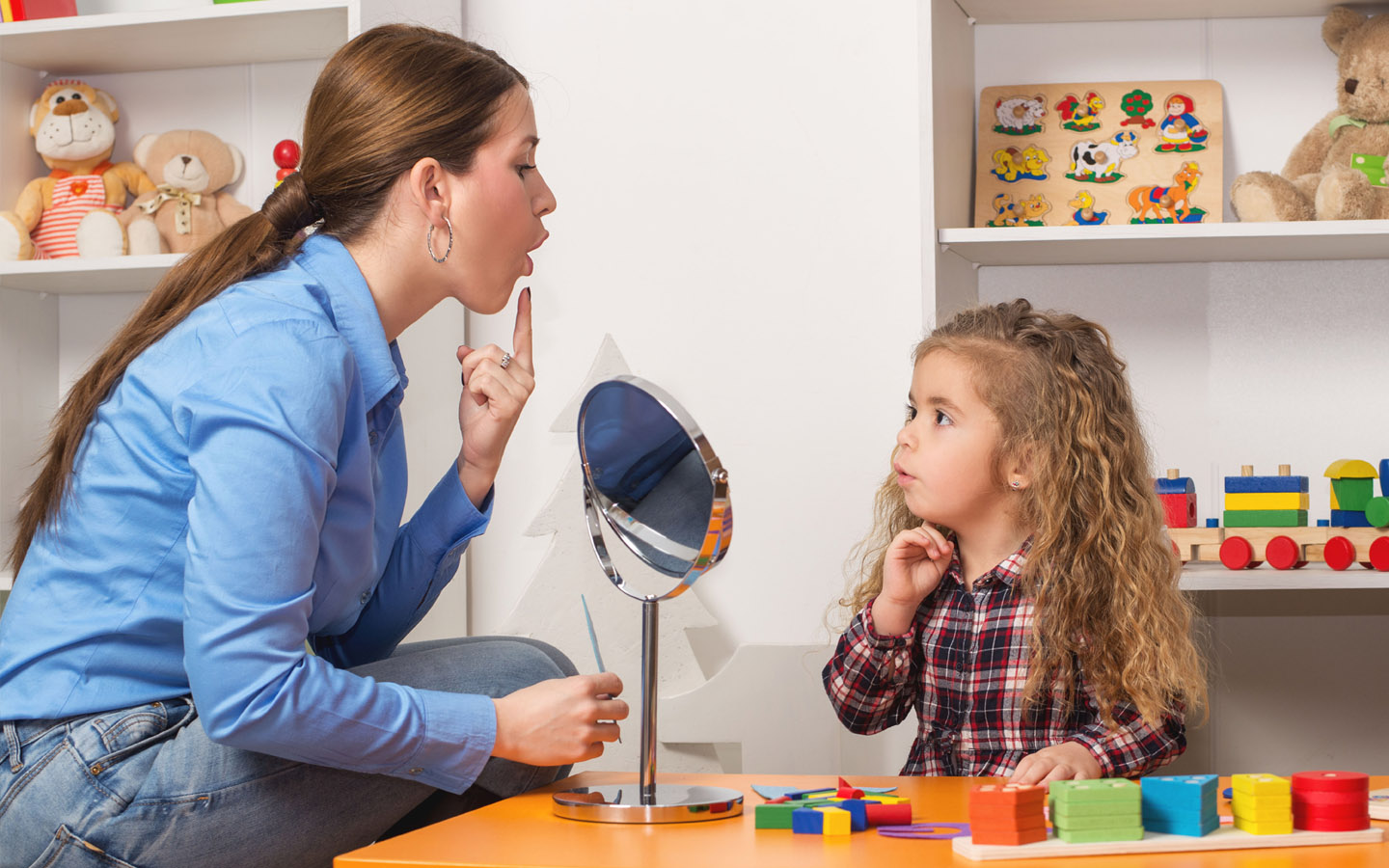
Articulation disorders involve difficulty pronouncing sounds correctly. Children may substitute, omit, or distort sounds, making their speech hard to understand. For example, a child might say “wabbit” instead of “rabbit,” which can lead to frustration in both the child and their listeners. - Language Delays
Language delays refer to a slower-than-expected development of language skills. Children with language delays may have a limited vocabulary, struggle with forming sentences, or have difficulty understanding spoken language. This can hinder their ability to engage in conversations and follow directions in school settings. - Fluency Disorders
Fluency disorders, such as stuttering, can affect the flow of speech. Children may repeat sounds, syllables, or words, or they may prolong sounds, leading to interruptions in their speech. This can cause anxiety and affect their confidence in speaking situations. - Voice Disorders
Voice disorders involve problems with pitch, volume, or quality of voice. Children may speak too softly, too loudly, or in a monotone voice. A hoarse or breathy voice can also indicate a voice disorder, affecting their ability to communicate effectively. - Pragmatic Language Impairments
Pragmatic language skills involve the social use of language. Children with pragmatic language impairments may struggle to understand social cues, take turns in conversations, or maintain topics. This can lead to difficulties in making and keeping friends.
Causes of Speech and Communication Difficulties
Several factors can contribute to speech and communication difficulties in children:
- Hearing Loss: Undetected hearing issues can significantly affect a child’s ability to develop speech and language skills.
- Developmental Disorders: Conditions such as autism spectrum disorder (ASD) or intellectual disabilities may impact communication abilities.
- Neurological Conditions: Conditions like cerebral palsy or traumatic brain injuries can affect the areas of the brain responsible for speech and language.
- Environmental Factors: Limited exposure to language-rich environments, such as reading and conversing with caregivers, can hinder language development.
When to See a Speech-Language Pathologist.
If you notice any signs of speech or communication difficulties in your child, it may be time to seek an evaluation from a speech-language pathologist. Consider consulting an SLP if:
- Delayed Speech Development: Your child is not meeting typical speech milestones, such as speaking their first words by 12-15 months or combining words by age 2.
- Difficulty with Pronunciation: Your child struggles to articulate sounds clearly, making it hard for others to understand them.
- Challenges in Conversation: Your child has trouble maintaining conversations, understanding social cues, or following the rules of dialogue.
- Stuttering: Your child exhibits signs of stuttering, such as repeating sounds or words, or shows frustration when speaking.
- Concerns About Hearing: If you suspect hearing issues, addressing these with a healthcare provider is essential before seeking speech therapy.
The Evaluation Process
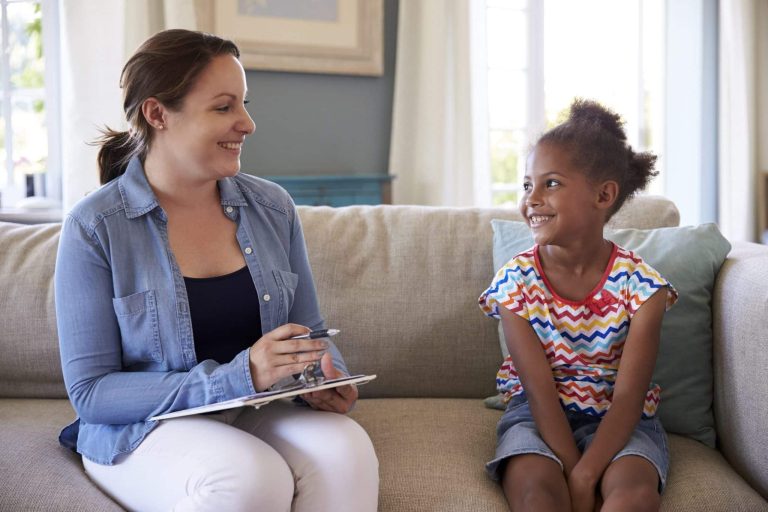
A speech-language pathologist will conduct a comprehensive evaluation to assess your child’s speech and language abilities. This may include:
- Standardized Tests: Formal assessments to measure speech and language skills compared to peers.
- Observational Assessments: Observing your child in natural settings to understand their
communication style and challenges. - Parent Interviews: Gathering information about your child’s developmental history and any concerns you may have.
Conclusion
Speech and communication difficulties in children can significantly affect their social interactions, academic success, and overall confidence. Recognizing the signs early and seeking help from a speech language pathologist is essential for effective intervention. If you have concerns about your child’s speech or language development, don’t hesitate to reach out for a comprehensive evaluation. Early support can make a significant difference in helping your child communicate effectively and thrive in their environment.