Speech Clarity
What is Articulation Disorder? A Parent’s Guide to Understanding Speech Sound Challenges
If your child is having trouble saying certain sounds or is often misunderstood by others,
they may be showing signs of an Articulation Disorder. This common speech issue
can impact communication and confidence—but the good news is, with the right help,
children can improve their speech clarity and thrive.
What is Articulation Disorder?
An Articulation Disorder is a type of speech sound disorder where a child has
difficulty producing specific speech sounds correctly. These errors go beyond what’s
typical for their age and may affect one or more sounds, such as “s,” “r,” “l,” or “th.”
For example, a child with an articulation disorder might say:
- “wabbit” instead of “rabbit”
- “thun” instead of “sun”
- “wed” instead of “red”
While sound mistakes are common in early childhood, persistent errors past age 4–5
may suggest an articulation issue that needs professional attention.
Signs of an Articulation Disorder
Here are some red flags that parents should watch for:
- Your child is hard to understand, especially compared to peers
- They consistently substitute one sound for another
- They omit sounds or add extra sounds in words
- Speech clarity doesn’t improve with age
- Your child gets frustrated when trying to communicate
If these signs sound familiar, it may be time to seek guidance from a speech-language
pathologist (SLP).
What Causes Articulation Disorders?
Articulation disorders can stem from a variety of factors, such as:
- Oral-motor difficulties (e.g., weak tongue or lip muscles)
- Hearing loss, even if temporary
- Developmental delays or neurological conditions
- Structural issues, like a cleft palate or dental problems
However, many children with articulation disorders have no known cause.
How is Articulation Disorder Treated?
The first step is a speech evaluation with a licensed SLP. During the assessment, the
therapist will listen to your child’s speech, identify which sounds are difficult, and
determine the best plan for treatment.
Speech therapy for articulation typically includes:
- Exercises to practice specific sounds
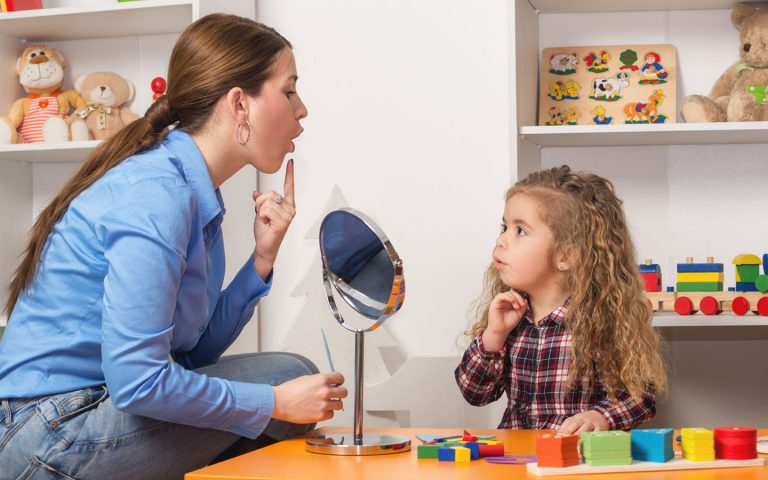
- Visual, tactile, or auditory cues to guide correct production
- Repetition through play, stories, and games
- Progression from simple sounds to words and full sentences
With regular therapy and home practice, most children show significant improvement.
What Parents Can Do at Home
Here’s how you can support your child:
- Model correct pronunciation in a gentle, encouraging way
- Read books out loud together and emphasize tricky sounds
- Praise your child for effort, not just accuracy
- Practice speech goals given by the therapist through daily routines
Final Thoughts:
Articulation Disorder can affect a child’s ability to be understood—but with early
intervention and consistent support, speech can improve dramatically. If you're
concerned about your child's speech clarity, don’t wait—reach out to a certified speech-
language pathologist for a personalized evaluation.