Autism Awareness
What is Autism? Understanding the Signs and Supporting Early Awareness
Autism Spectrum Disorder (ASD) is a developmental condition that affects how a
person communicates, interacts socially, and processes the world around them. It’s
called a “spectrum” because autism presents differently in each individual—some may
need significant support, while others live independently with minimal assistance.
As awareness grows, so does the importance of early identification. Understanding the
common signs of autism can help families, educators, and caregivers provide the
right support early on.
What is Autism Spectrum Disorder?
Autism is a neurological and developmental disorder that typically appears in early
childhood, often before age 3. It affects:
- Social interaction
- Communication skills
- Behavioral patterns
- Sensory processing
Autism is not a disease—it’s a different way of thinking, learning, and experiencing the
world. People with autism may have unique strengths, such as attention to detail, strong
memory skills, or creative problem-solving.
Common Signs of Autism in Children
Autism can appear in early childhood, but signs may vary widely depending on the
child’s age and developmental stage. Below are some of the most common early
indicators of autism:
1. Delayed Speech and Communication
- Limited use of words or gestures by age 2
- Echoing words (echolalia) instead of using original speech
- Difficulty starting or maintaining conversations
- Not responding to their name by 12 months
2. Social Differences
- Avoiding eye contact or facial expressions
- Preferring to play alone rather than with others
- Not showing interest in sharing experiences (like pointing out things to show you)
- understanding others’ feelings or social cues
3. Repetitive Behaviors and Routines
- Repeating the same movements (hand-flapping, rocking, spinning)
- Insisting on specific routines and getting upset by changes
- Intense focus on specific topics, objects, or interests
- Playing with toys in unusual ways (e.g., lining up cars instead of driving them)
4. Sensory Sensitivities
- Overreacting or underreacting to sensory input (noises, lights, textures)
- Avoiding certain foods due to texture
- Unusual fascination with lights, spinning objects, or patterns
Autism in Older Children and Teens
In older children, signs may include:
- Difficulty forming friendships
- Literal thinking and trouble understanding sarcasm or jokes
- Struggling with conversation turn-taking
- Anxiety in social or unfamiliar situations
Some children with autism may excel academically but face challenges with emotional
regulation or peer relationships.
When to Seek an Evaluation
If you notice several of these signs—especially if they interfere with daily life—it’s worth
speaking with a pediatrician or specialist. Early screening tools and developmental
assessments can provide clarity.
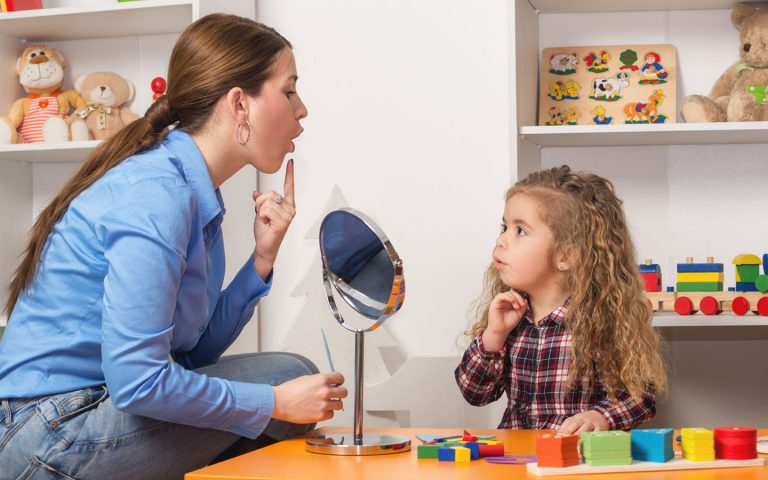
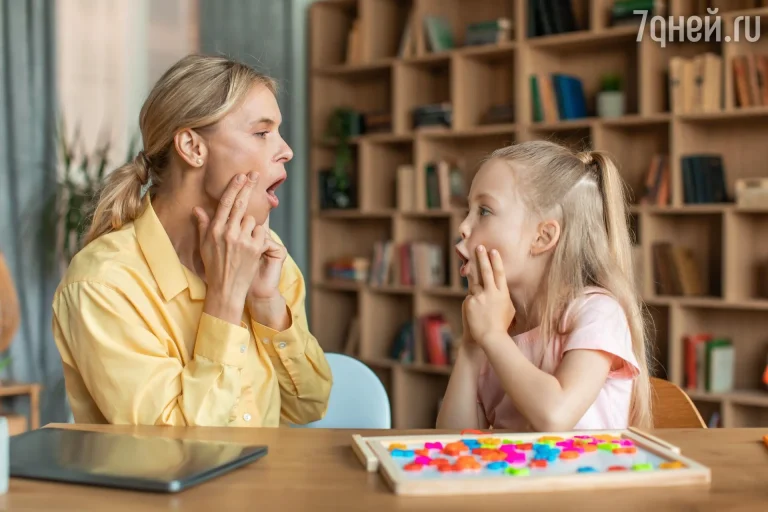
Early intervention services, such as speech therapy, occupational therapy, or
behavioral support, can make a significant difference in a child’s development and
quality of life.
Final Thoughts
Autism is not a one-size-fits-all condition. Every person with autism is unique, with their
own strengths and challenges. Recognizing the early signs and seeking support can
lead to better outcomes, stronger communication, and more inclusive communities.
By increasing awareness and education about autism, we empower families, educators,
and individuals to foster understanding, empathy, and support for all.